Europe’s cross-border megaregions need a stronger voice in shaping the continent’s future. That was the message from State of the Megaregions’ Day 2026, held in Brussels on 13 October under the theme “The Power Within: Europe’s Megaregions in an Era of Pressure”.
At the Institute of Natural Sciences, STRING brought together mayors, European institutions, infrastructure operators, researchers and funders to explore how cooperation across borders can strengthen Europe’s competitiveness, resilience and connectivity.
The discussions returned to a shared challenge: people, businesses and economic relationships already cross national borders, while policies, planning and funding often remain divided along them. Megaregions offer a practical scale for closing that gap.
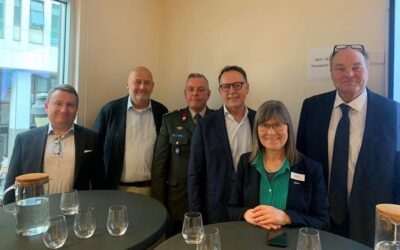
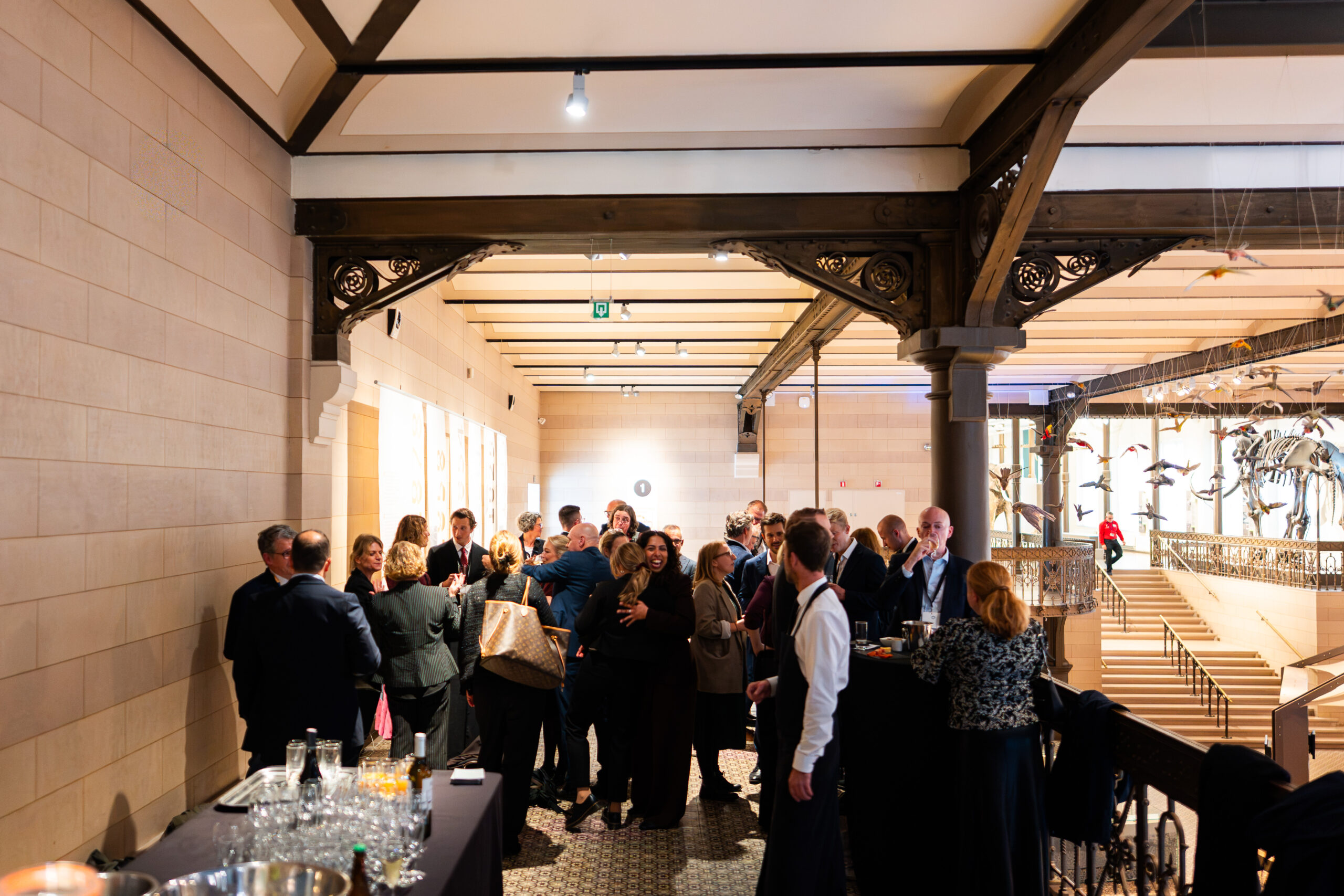
Moments from the day
Browse photographs from the keynotes, panel discussions and conversations in Brussels.
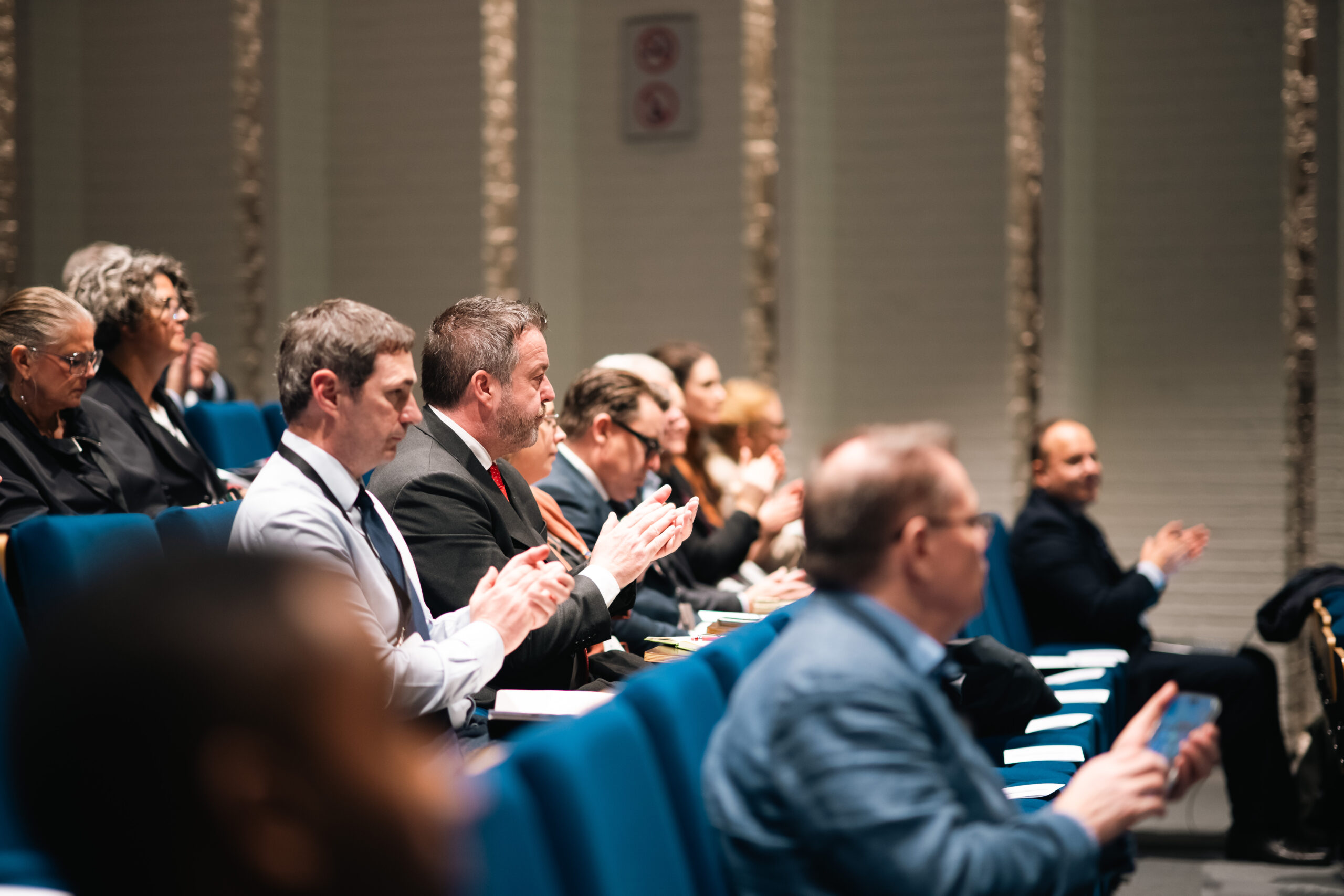
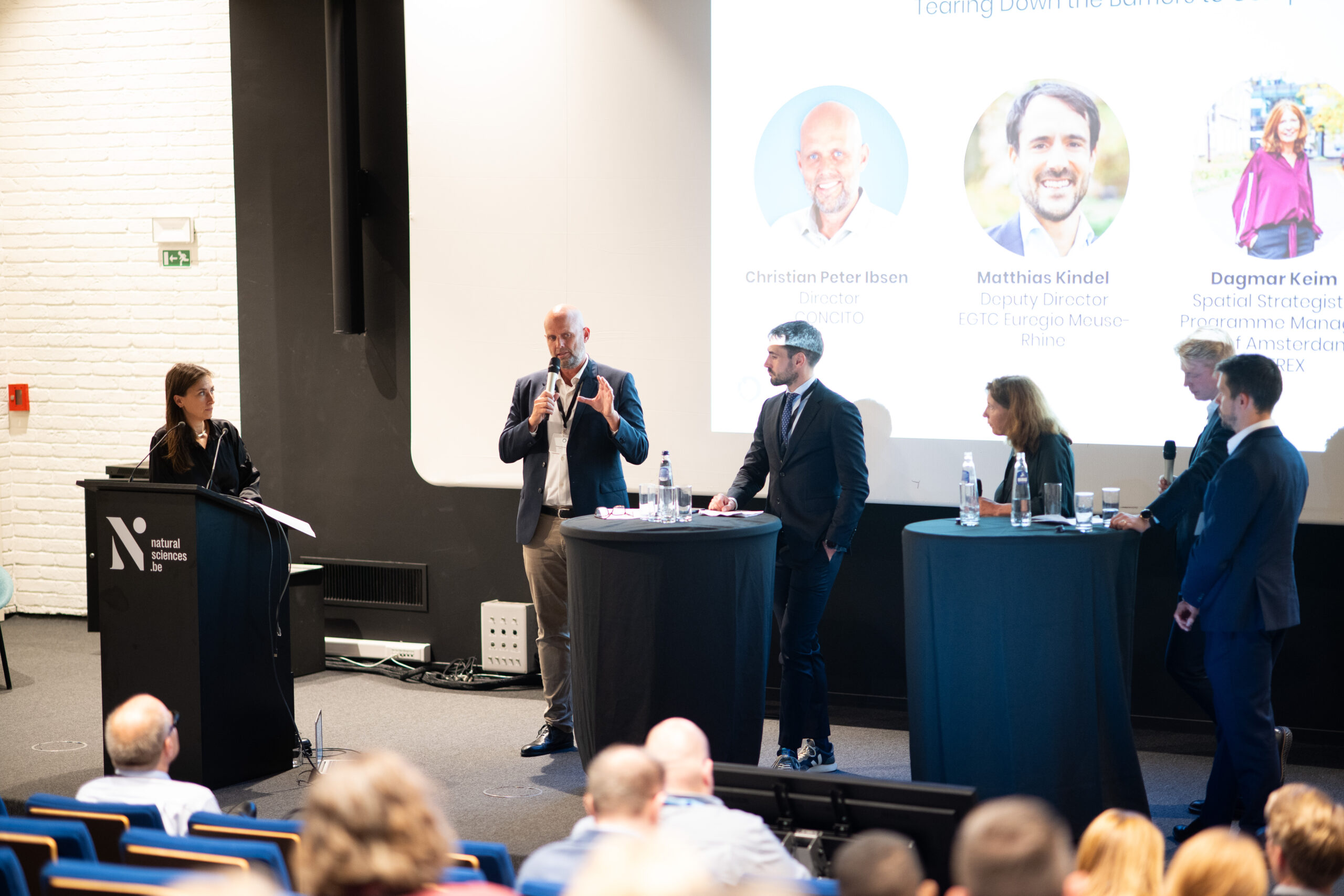
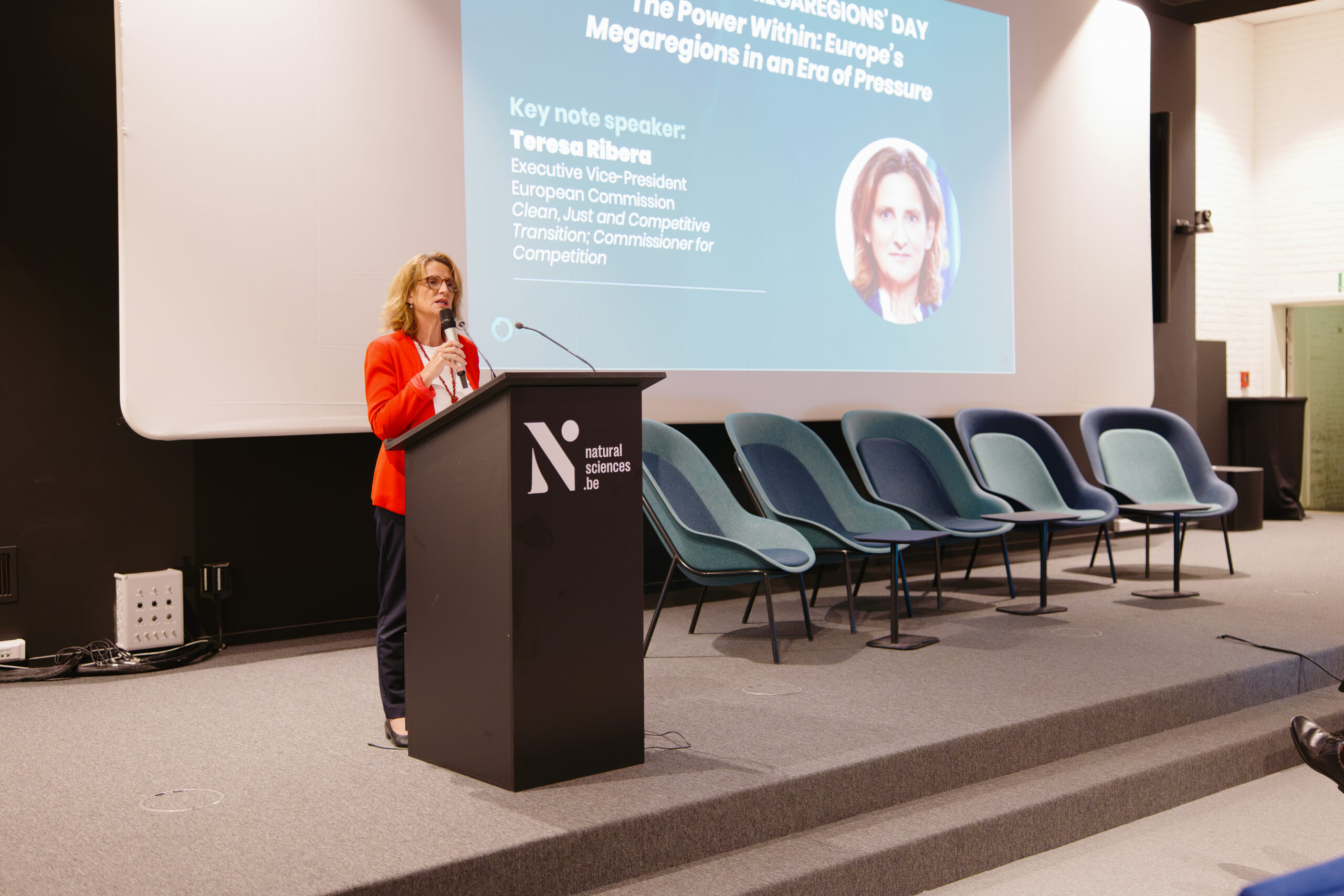
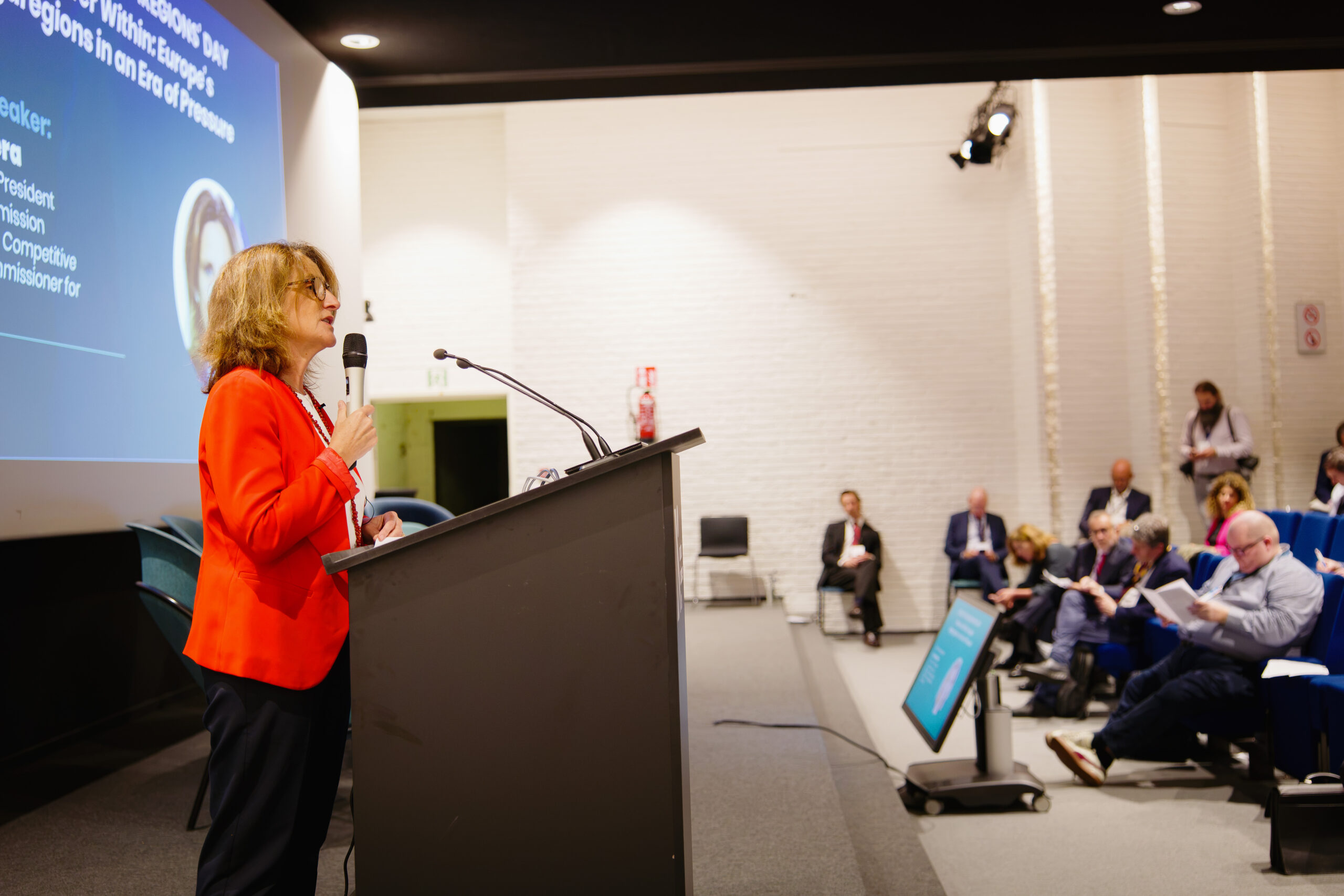

A stronger political voice for Europe’s megaregions
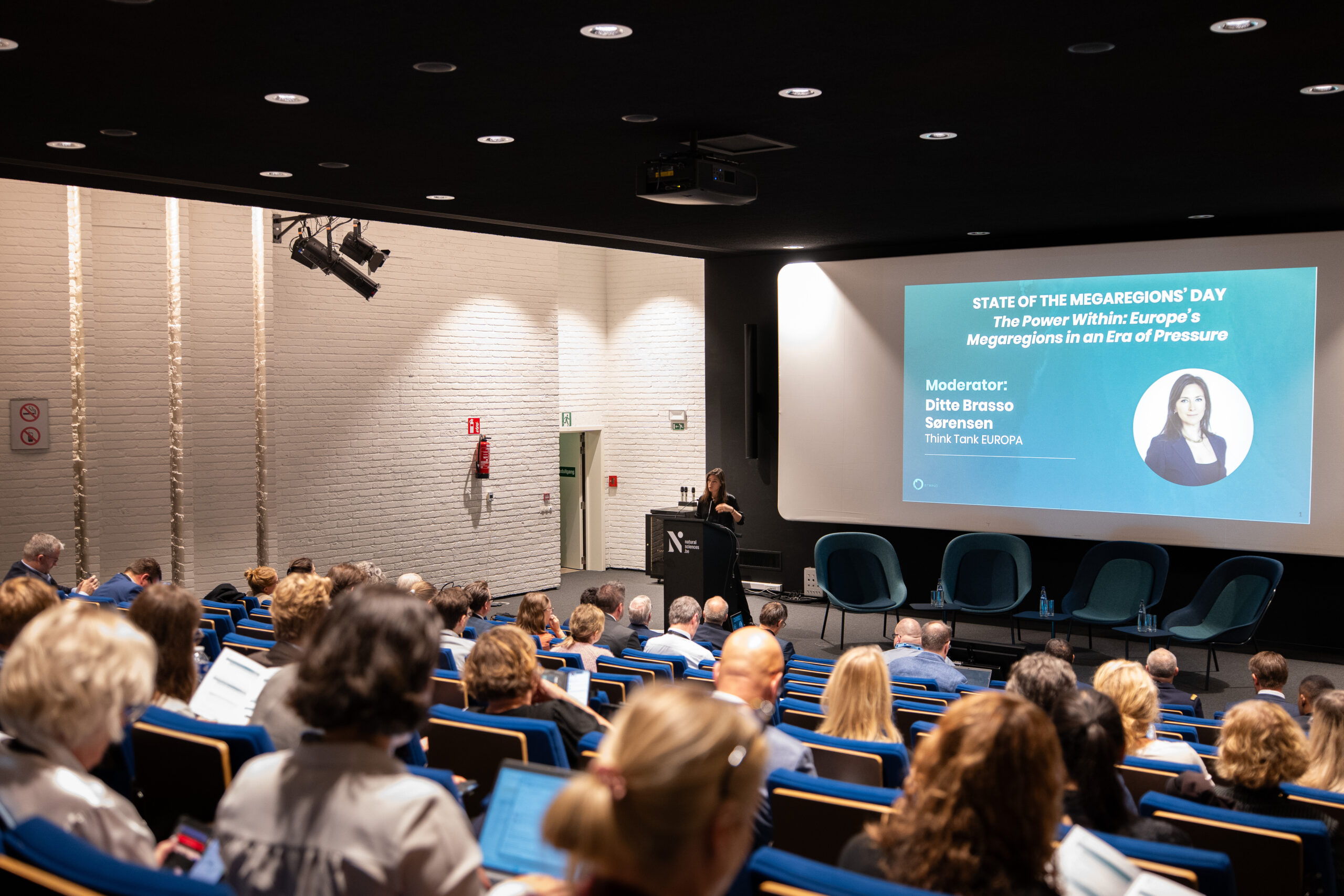
Opening the conference, moderator Ditte Brasso Sørensen and STRING Managing Director Thomas Becker framed megaregions as functional economic spaces and platforms for cooperation. The aim is to strengthen the delivery of European priorities across borders, rather than create another layer of government.
In his opening keynote, Pat Cox, European Coordinator for the TEN-T Scandinavian–Mediterranean corridor, connected this ambition to three pressing challenges: infrastructure connectivity, climate resilience and security. He pointed to the transformative effect of the Øresund Bridge and the opportunities offered by the Fehmarn Belt Fixed Link.
The mayoral dialogue brought perspectives from Oslo, Dublin and metropolitan Barcelona. Speakers highlighted the potential of better-connected labour markets, industries and cities, and called for megaregions to be treated as partners with shared strategies.
Infrastructure that works across borders
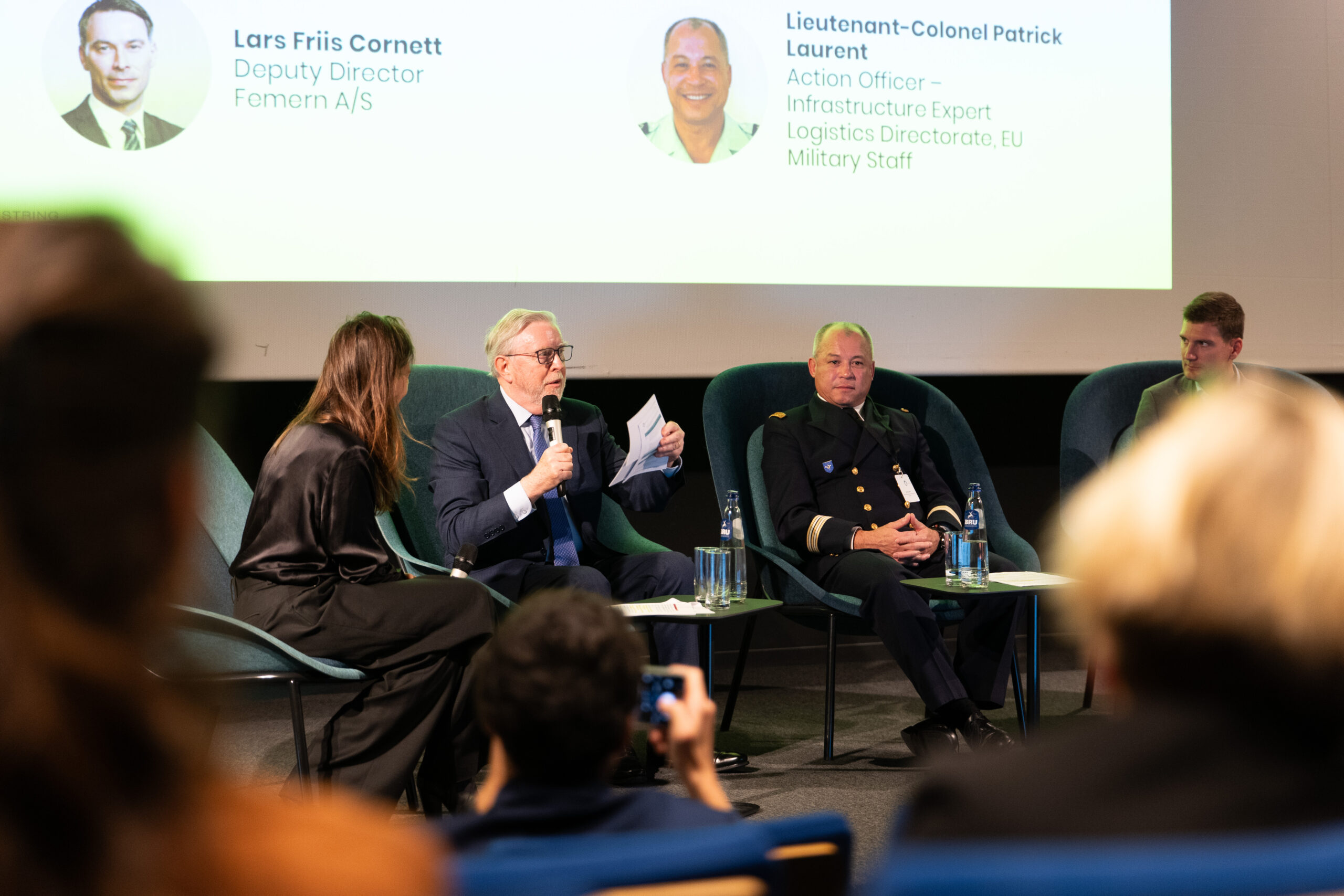
The infrastructure panel examined how missing links, capacity constraints and fragmented national planning affect Europe’s resilience. Contributions from Femern A/S, the Community of European Railway and Infrastructure Companies and the EU Military Staff explored financing, rail interoperability and infrastructure that serves both civilian needs and military mobility.
The discussion underlined the importance of planning entire corridors together, with reliable connections and sufficient capacity throughout the network.
Turning scale into competitiveness and innovation
Sessions on the Single Market and innovation explored how cross-border cooperation can help Europe make more of its existing strengths. Participants discussed administrative barriers, fragmented energy markets and the need for companies and research communities to collaborate at greater scale.
The OECD highlighted the importance of scale for frontier innovation. Examples from Oslo Science City and the Upper Rhine showed how concrete projects, shared funding and long-term relationships can connect research institutions, businesses and talent across borders. Sinolytica’s comparative session on China prompted discussion of how Europe can develop its own megaregional approach grounded in democratic values.
Making free movement work in practice
Taxation, social security, recognition of qualifications and access to information remain obstacles for people working across borders. The labour-market panel explored how to make rights and opportunities easier to understand and use, including through clearer guidance and stronger coordination between authorities.
Contributions from the European Labour Authority, the Greater Region and Copenhagen connected these practical challenges to the wider ambition of functioning cross-border labour markets.
Funding that reflects functional regions
The closing funding discussion asked whether Europe’s investment tools match the geography of its cross-border challenges. Speakers considered the future EU budget, the role of Interreg and the need for funding approaches that can support cooperation beyond individual projects.
The European Investment Bank highlighted the potential for megaregions to bring projects together and enable cross-border investment. Participants called for closer cooperation between European institutions, regional actors and business.
Recognition, involvement and a voice at the table
In her keynote, European Commission Executive Vice-President Teresa Ribera recognised the importance of functional cross-border regions as strategic partners. Her remarks connected a stronger Single Market with competitiveness, energy integration, infrastructure and joint responses to climate risks.
Closing the day, STRING Chair Sofia Hedén set out three asks: recognition of megaregions, involvement in European policy and budget design, and a voice at the table.
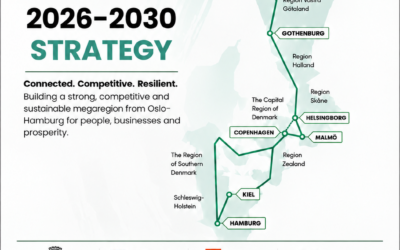
For STRING, these conversations connect directly to the two pillars of the approved 2026–2030 Strategy: Infrastructure & Connectivity and Enhancing Competitiveness. The conference strengthened the case for working together across borders to turn shared European ambitions into practical cooperation.
Thank you to all speakers, participants and partners who contributed to State of the Megaregions’ Day 2026.